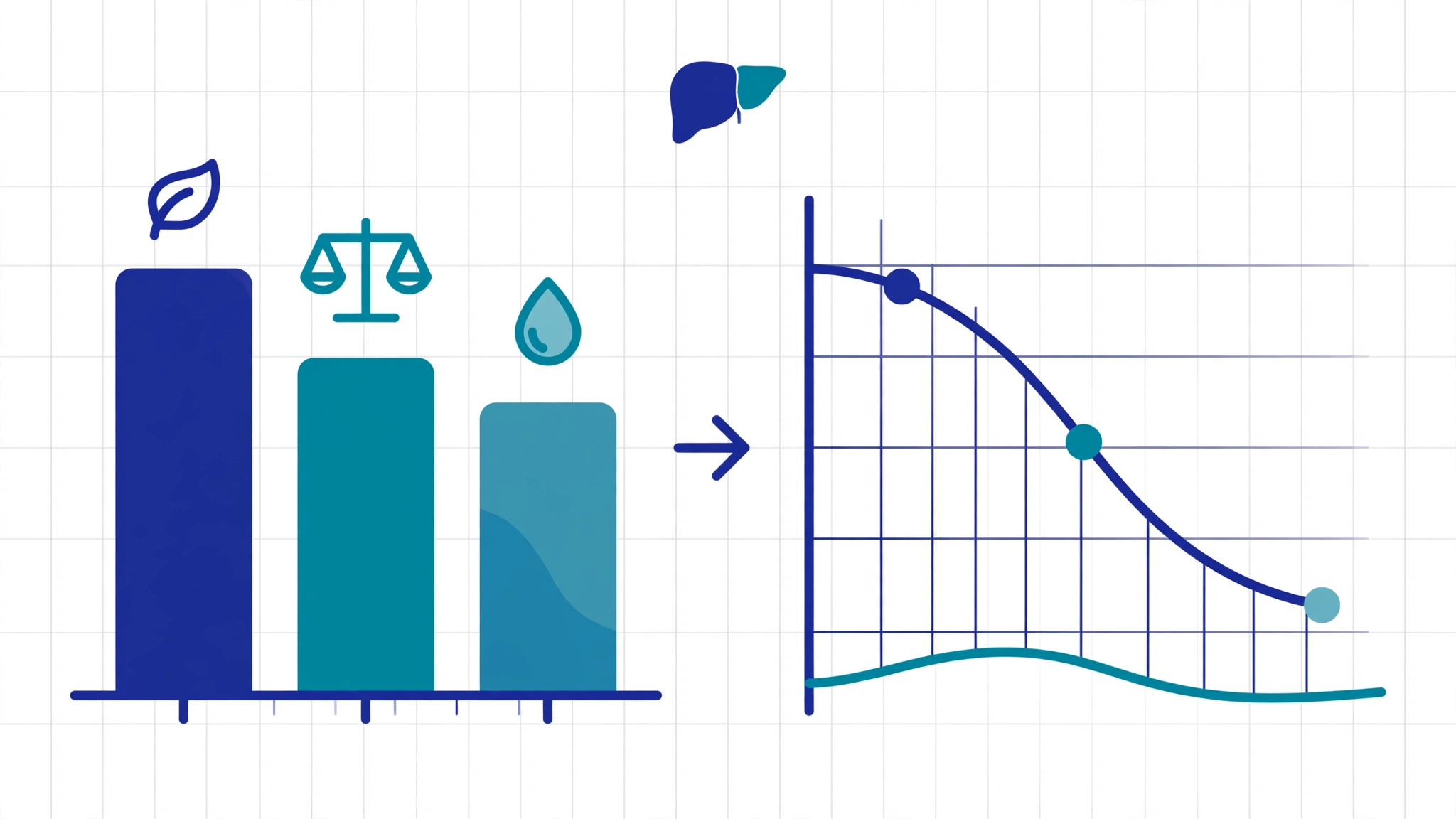
Keto diet liver fat is back in the headlines: a new randomized trial found that a ketogenic diet cut liver fat by 67%, compared with about 45% on Mediterranean and low-fat diets, and sent roughly half of the keto group out of the prediabetes range. The reason this study matters is not the headline number alone. The researchers designed it so everyone lost the same weight, which means the liver differences came from the diet itself, not from dropping more kilos. Here is what the numbers show, and where they stop.
How the trial was run
Max Petersen’s team at Washington University School of Medicine in St. Louis published it in Cell Metabolism on August 27, 2026. Summaries of the findings are available from Medical Xpress and Earth.com. Fifty-five adults with obesity, prediabetes, and excess liver fat enrolled; 42 finished, 14 per group, over about five months.
Three diets were tested:
- Ketogenic: roughly 4% of calories from carbohydrates, 73% from fat.
- Mediterranean: roughly 50% carbohydrates, 35% fat.
- High-carbohydrate, low-fat, plant-forward: roughly 70% carbohydrates, 15% fat.
Researchers supplied all the food and met participants with a dietitian weekly, with adherence above 95%. That is about as clean as nutrition trials get, and why these small-sample results deserve attention.
Keto diet liver fat: the headline numbers, one by one
Liver fat fell 67% on keto versus about 45% on each other diet, measured directly. The headline is real.
Liver insulin sensitivity improved two to three times more with keto. The liver is where the diets diverged. Meanwhile muscle insulin sensitivity rose about 50% in all groups, which tells you weight loss alone did that part.
Hormones moved in keto’s favour. Glucagon, which promotes liver fat loss, rose most on keto. Daily insulin fell 74% on keto versus 44% Mediterranean and 27% low-fat. Average 24-hour blood sugar fell 20% on keto versus 8% on the others.
About half the keto group left the prediabetes range, versus 29% Mediterranean and 7% low-fat.
The surprise: despite eating the most fat, the keto group showed no increase in blood fat or cholesterol. First author Max Petersen called that the study’s most unexpected finding.
Why equal weight loss makes this trial special
In most diet studies, one group loses more weight and the headline confuses the two effects. Here, all three groups lost about 10% of body weight. That single fact converts the trial from a weight-loss contest into something rarer: a head-to-head test of what macronutrient composition does to the liver, holding weight loss constant. The liver differences that remained, the extra liver-fat clearance, the 2-to-3-fold insulin sensitivity gain, belong to the diet itself.
The muscle results make the same point from the other side: insulin sensitivity there improved equally everywhere, so weight loss, not keto, was responsible. Separating what moved with the weight from what moved with the diet is the whole skill, and that separation is what makes the keto diet liver fat result worth more than the usual diet-study headline. If health-news statistics trip you up, our plain-English guide to p-values helps.
The limits, stated honestly
No single trial settles a diet war. Here is what this one cannot tell you:
- Small and short. Fourteen completers per group and roughly five months. Effect sizes look clean, but small trials are where noise dresses up as signal.
- Supervised like a space mission. All food provided, weekly dietitian check-ins, 95%+ adherence. That is not how anyone eats in real life, and adherence is where most diets go to die.
- Trade-offs were real. The Mediterranean group preserved lean body mass better while losing fat, a genuine advantage for long-term metabolic health that keto did not share.
- The pancreas did not repair itself. After a sugar drink, insulin release was unchanged in every group. Months of carb restriction did not fix the beta cells. Our guide on reading non-significant results explains why that null is still informative.
- Long-term cardiovascular safety is unsettled. Blood lipids did not worsen in five months, which is genuinely surprising, but five months is not five years. Outside experts have cautioned that keto is not meant as a long-term diet, particularly for people with heart-disease risk factors.
How a data-minded reader should read this
Take the trial at face value: for adults with obesity, fatty liver, and prediabetes, keto diet liver fat fell further than with matched weight loss on other diets over five months, and glucose control improved too. A legitimate, well-measured finding. Then hold the three caveats: tiny sample, unreal conditions, blank long-term picture. The strongest claim here is about mechanisms, not menus. As senior author Samuel Klein put it, cutting carbohydrates may have therapeutic effects beyond weight loss alone. What it does not support is a diet prescription, least of all a permanent one.
FAQ
Does this prove keto is the best diet for fatty liver?
No. It proves keto diet liver fat fell further than on two other diets under tight control over five months with equal weight loss. Best is a claim about years, adherence, and total health, none of which this trial measured.
Should I start keto based on this study?
This article cannot answer that for you. Keto is hard to sustain, interacts with diabetes medication, and has open long-term safety questions. Anyone considering a major dietary change should talk to their clinician or a registered dietitian first.
Health disclaimer: This article is for education only and is not medical or dietary advice. It does not diagnose, treat, or recommend any diet or treatment. Talk to a qualified clinician before changing your diet, especially if you take glucose-lowering medication or have liver disease.